
Ozempic in Morocco: an innovative drug, but reserved for the wealthiest
After the controversy over its misuse, Ozempic is now at the center of a new debate: access to generics. In Morocco, a five-year exclusivity clause could delay affordable alternatives, effectively turning the treatment into a "medicine for the wealthy."
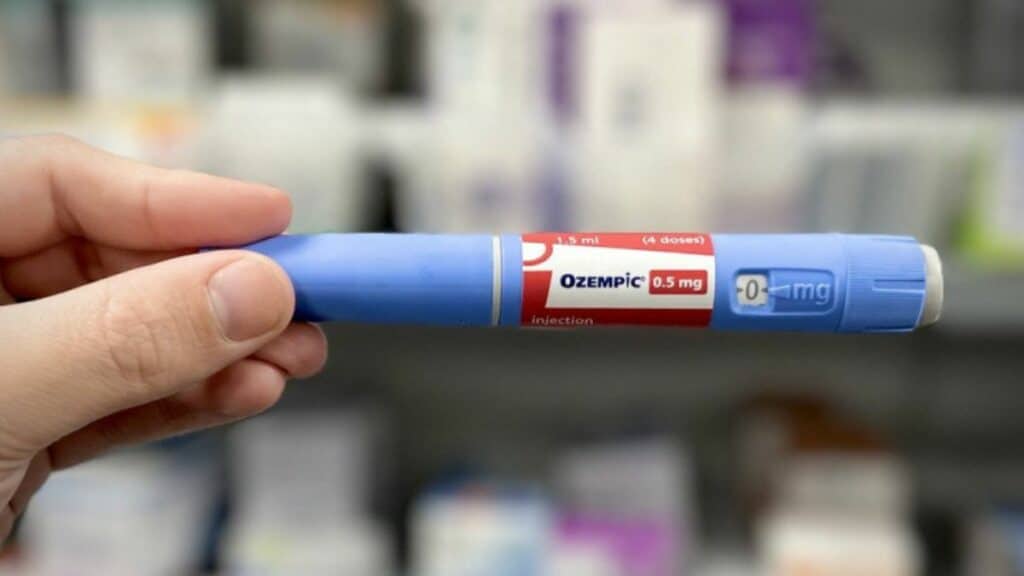
Ozempic, a once‑weekly semaglutide treatment for type 2 diabetes, is presented in many markets as a major therapeutic innovation, at a time when this chronic disease is steadily increasing in Morocco.
A few days ago, Médias24 reported the official launch of Ozempic in Morocco, even as the drug was already raising controversy over its off‑label use for weight loss.
Beyond the misuse controversy, a new issue is emerging: access to affordable generics. According to ITPC MENA, Morocco’s regulatory framework risks turning Ozempic into a "drug for the wealthy."
Data exclusivity: a barrier to Ozempic generics
Morocco grants five years of data exclusivity to any innovative drug. During this period, generic manufacturers are prohibited from relying on existing data to obtain market authorization.
In practice, this means that even when a generic is already available abroad, proven safe and effective, and not subject to valid patents, it remains blocked in Morocco. Producers are left with only one option: undertaking new comprehensive clinical trials; a costly, lengthy, and in some cases, ethically questionable process.
According to ITPC MENA, this rigidity goes beyond international requirements, including those of the World Trade Organization (WTO), which grant countries flexibility to accelerate access to essential treatments. As a result, Morocco is temporarily depriving itself of equivalent but far more affordable therapeutic options.
An unaffordable cost for the majority of patients
The price gap between the original and its potential generics is striking. In Europe, an Ozempic 0.5 mg pen costs around €76, adding up to more than €300 per month for four injections. By contrast, in Bangladesh, a generic such as Fitaro is marketed at about €5 per pen.
If such a generic were authorized in Morocco, it would make the treatment accessible to a wider base of diabetic patients, reduce costly medical complications, and ease the burden on the health insurance system. It would also create an opportunity for the local generic industry, at a time when the Kingdom is clearly seeking to reinforce its pharmaceutical sovereignty.
Today, ITPC MENA warns that the automatic five-year exclusivity granted to Ozempic hinders patient access and reinforces dependence on a single foreign supplier.
Several countries have revised their legal frameworks to avoid prolonged market lock-ins. Jordan, for instance, introduced a mechanism in 2015 that limits the scope of data exclusivity: it ceases to apply if the drug has been marketed abroad for more than 18 months. This enables the swift authorization of generics when the original drug is already widely available and documented.
In a new decree being prepared on market authorizations, the NGO advocates for:
- limiting the scope of data protection when a drug has been on the market elsewhere for a long time;
- excluding such protection if generics already exist in recognized regulators, or if the patent has expired;
- empowering the Drug Agency to waive data exclusivity in cases of public health concerns, budgetary constraints, or to encourage
Beyond a mere pricing issue, this controversy reflects a broader debate on Morocco's pharmaceutical sovereignty. According to ITPC MENA, by maintaining an automatic five-year exclusivity, the Kingdom forgoes the opportunity to develop its generic industry, while restricting access to an innovative drug for those in need.

à lire aussi

Article : Afrique du Sud : la justice relance une procédure de destitution contre Ramaphosa
La Cour constitutionnelle sud-africaine a jugé anticonstitutionnelle la décision du Parlement de bloquer une enquête parlementaire sur le scandale dit du “Farmgate”, lié à une importante somme en devises volée dans la ferme privée du président Cyril Ramaphosa.
Article : Télécoms : Dominion renforce ses capacités au Maroc après l’intégration de Verne
Le groupe espagnol de services et de projets affirme que l’intégration de Verne consolide ses activités télécoms en Espagne et au Maroc, dans un contexte de recentrage sur les métiers récurrents et à plus forte valeur ajoutée.
Article : Numérique : le Maroc et le Ghana renforcent leur coopération administrative
Une déclaration d’intention a été signée à Rabat entre Amal El Fallah Seghrouchni et la ministre ghanéenne chargée de la Réforme du secteur public, dans le cadre des Assises africaines du Gouvernement ouvert.
Article : Sécurité routière : la NARSA met en garde contre de faux SMS et sites usurpant son identité
L’Agence nationale de la sécurité routière alerte les usagers sur une tentative de fraude utilisant de faux liens et de prétendus avis d’infractions routières pour soutirer des données personnelles ou bancaires.
Article : Culture : le Maroc inaugure son pavillon à la Biennale de Venise
Aziz Akhannouch a inauguré, vendredi 8 mai 2026, le Pavillon du Maroc à la 61e Exposition internationale d’art de la Biennale de Venise, où le Royaume est représenté par le projet “Asǝṭṭa”, porté par l’artiste Amina Agueznay et la curatrice Meryem Berrada.

Article : Batteries électriques : Gotion prépare la mise en service de son usine de Kénitra en août 2026
Le fabricant chinois affine le calendrier de sa gigafactory marocaine, appelée à devenir l’un des maillons industriels majeurs de la mobilité électrique entre le Maroc et l’Europe. À Kénitra, les recrutements lancés ces derniers mois signalent déjà l’entrée du projet dans une phase de préparation avancée.