By 2040, the global infrastructure-financing gap will have widened to an estimated $15 trillion – a massive shortfall that can be attributed to a few key factors. Many developing countries simply do not have the financial resources for expensive and time-consuming large-scale infrastructure projects. And private actors often shy away, owing to the perceived high risks of investing in infrastructure projects in developing countries. Together, these factors pose a significant obstacle to building desperately needed infrastructure.
The good news is that multilateral development banks (MDBs) and other stakeholders are increasingly aware of the need for swift action to overcome these challenges. MDBs are under pressure from their shareholders to become better, bigger, and more effective. An independent review of MDBs’ capital-adequacy frameworks – an important initiative commissioned by the G20 – recommended the expanded use of innovative finance. More recently, the G20 Independent Expert Group on strengthening MDBs released a multi-volume report that, among other things, calls for increasing private-sector engagement in development finance by broadening existing risk-sharing instruments and pioneering new ones such as asset-based vehicles.
Asset-based and risk-sharing finance could be transformative, because, unlike the conventional way of raising funds through debt, these models have the added benefit of forging partnerships and fostering a collaborative environment. Financiers become stakeholders, meaning that both parties have skin in the game and a vested interest in the project’s long-term viability and sustainability. This mitigates the risk of moral hazard often associated with debt-based models.
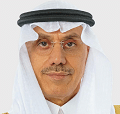
These principles form the foundation of Islamic finance, although its participatory nature extends beyond sharing risk, as it focuses on long-term partnerships and encourages a commitment to the social and environmental sustainability of a project throughout its lifecycle. The Islamic Development Bank (IsDB), of which I am president, embodies this approach. Over the past 50 years, we have approved more than $182 billion in funding for development projects related to renewable energy, the social sector, and – given our recent focus on driving green economic growth and developing human capital – sustainable and resilient infrastructure.
Islamic financial markets, valued at $3.25 trillion and with ample liquidity and appetite for asset-based and risk-sharing bankable projects, could thus be a powerful tool for mobilizing infrastructure investments in developing countries. In particular, a hybrid financing model that makes use of both conventional and Islamic finance could scale up investment in infrastructure projects. The IsDB has a proven track record of success in co-funding infrastructure projects with other MDBs and the private sector. Completed projects include Dakar’s Blaise Diagne International Airport (with the African Development Bank) and Jordan’s Queen Alia International Airport (with the International Finance Corporation).
Infrastructure financing mobilized through asset-based and risk-sharing financial instruments requires a well-developed and robust financial sector with strong legal and regulatory frameworks capable of protecting investors; robust domestic capital markets; and transparent monitoring and impact reporting. That is where MDBs come in. They can help develop and strengthen the financial infrastructure needed to attract private capital to developing countries.
Moreover, MDBs could boost investor confidence and help create a pipeline of bankable projects by taking collective action. The Global Collaborative Co-Financing Platform, recently launched by ten MDBs (including IsDB) and headed by the World Bank, is a step in the right direction.
Investing in sustainable and resilient infrastructure can mitigate the effects of climate change, yield long-term economic benefits, and improve people’s quality of life. But raising the necessary capital will require harnessing the potential of asset-based and risk-sharing finance. The IsDB is committed to playing a leading role in such efforts, but other MDBs and private investors must also embrace this approach. Only by working together to close the global infrastructure-finance gap can we build a more equitable future for all.