Morocco Begins First Exploration Drilling Past 1,000 Meters
The Ministry of Equipment has begun drilling operations more than one kilometer deep to map the fossil aquifers in southern Morocco. The process is complex. Explanations.
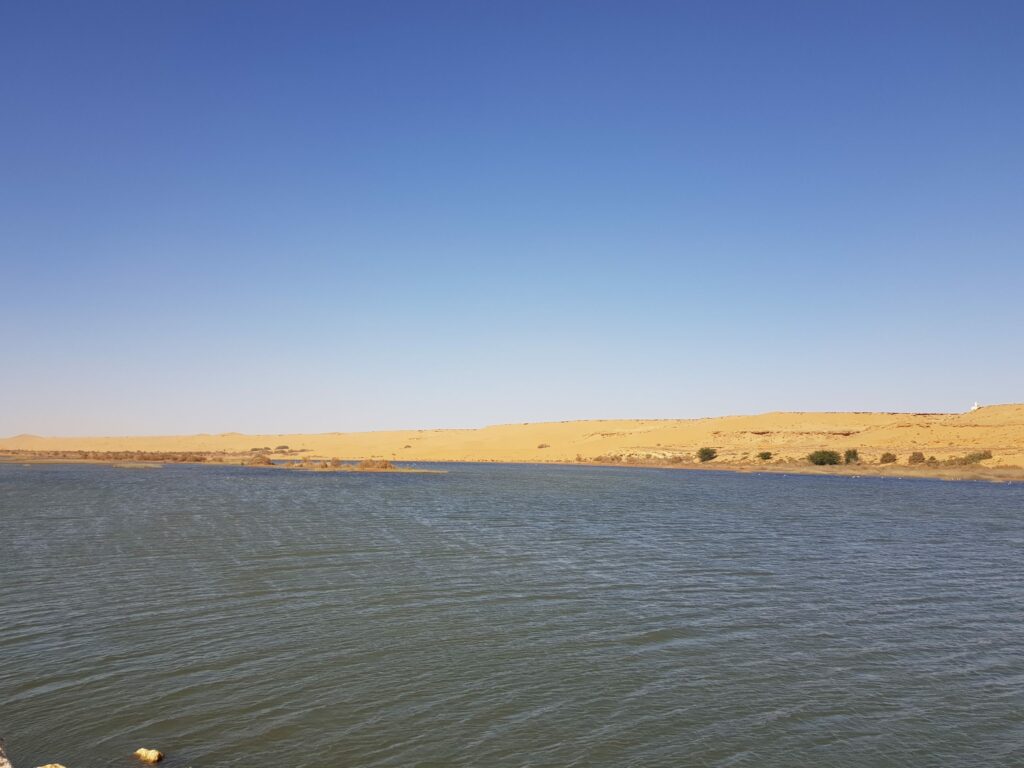
Morocco has begun exploring its deep aquifers. The Water Research and Planning Department of the Ministry of Equipment plans to drill into the deep aquifer across three municipalities in the Laâyoune region.
The deep aquifers, considered strategic reserves, could help mobilize drinking water supplies.
However, understanding their potential will require costly studies and surveys to identify previously unknown areas.
To avoid ambiguity, the deep aquifers considered are those more than 1,000 meters below ground, though some classifications define deep aquifers as starting at 200 meters.

The Saharan deep aquifer: freshwater or saline?
Currently, the regions of Laayoune and Dakhla are supplied through a system that combines water transfer, desalination, and demineralization.
These regions were the first in the country to extensively resort to desalination.
The Foum El Oued aquifer, at the mouth of the Sakia El Hamra, is now the main surface freshwater resource in the area. It supplies Laayoune alongside water from transfer and desalination.
The Saharan deep aquifer, though vast, remains unexploited and largely unknown.
Historical drilling between 500 and 750 meters revealed an average salinity of 2.6 grams per liter. The resource is tapped by wells in a few sparsely populated rural municipalities equipped with demineralization units (monoblocs).
However, output remains low and meets only very limited needs.
The Saharan deep aquifer deepens progressively from east to west, reaching about 1,500 meters in Boujdour.
The aquifer’s best permeability is in its southern part. Salinity increases from south to north, reflecting facies change and underscoring the need for further reconnaissance drilling.
The recently announced exploration project plans to drill beyond 1,000 meters to locate less saline water.
But drilling at such depths is complex, with several technical and economic factors to consider.
Why drilling a deep aquifer well is complex
Several studies suggest that water resources beyond 1,000 meters are more widespread than previously thought. The finding opens the way to new unconventional sources, especially for arid regions.
Like the Saharan aquifer, the Nubian sandstone aquifer beneath the Egyptian desert is the world’s largest known fossil aquifer, reaching 3,500 meters deep. It holds more than 150,000 cubic kilometers of groundwater dating back to the last glacial period.
Exploring deep aquifers requires techniques from the hydrocarbon sector. This involves either remote probing or historical seismic data to identify drilling sites. The approach raises the chance of finding water in areas once considered dry.
Drilling a deep well is costly, with depths similar to those explored by oil and gas. Yet exploitation appears more advantageous than seawater desalination. The latter requires high energy and heavy maintenance. Using renewable energy for pumping could cut costs.
But as a non-renewable resource, consumption must be strictly managed to avoid depletion, since deficits in deep aquifers are hard to offset with shallow ones.
Why Morocco must survey its deep aquifers
While public policy focuses on unconventional resource projects, Morocco’s fossil waters remain largely undervalued. Apart from a few sporadic discovery wells, the country is underexplored, though sustained exploration could unlock unexpected reserves of trapped fossil waters.
Facing an uncertain future under climate change, it would be illogical to ignore fossil resources. Despite high costs, exploration could allow limited but profitable use, especially as recent global discoveries have found freshwater even in aquifers beneath the oceans.
A relevant example is Jordan, where exploiting fossil groundwater is seen as more feasible, with about 200 million cubic meters flowing naturally from the aquifer to the Dead Sea without being used.
Since 1991, Saudi Arabia has tapped fossil water, investing billions of dollars to develop it for agriculture. But in 2016, the kingdom scrapped the program amid growing concerns over the rapid depletion of groundwater.
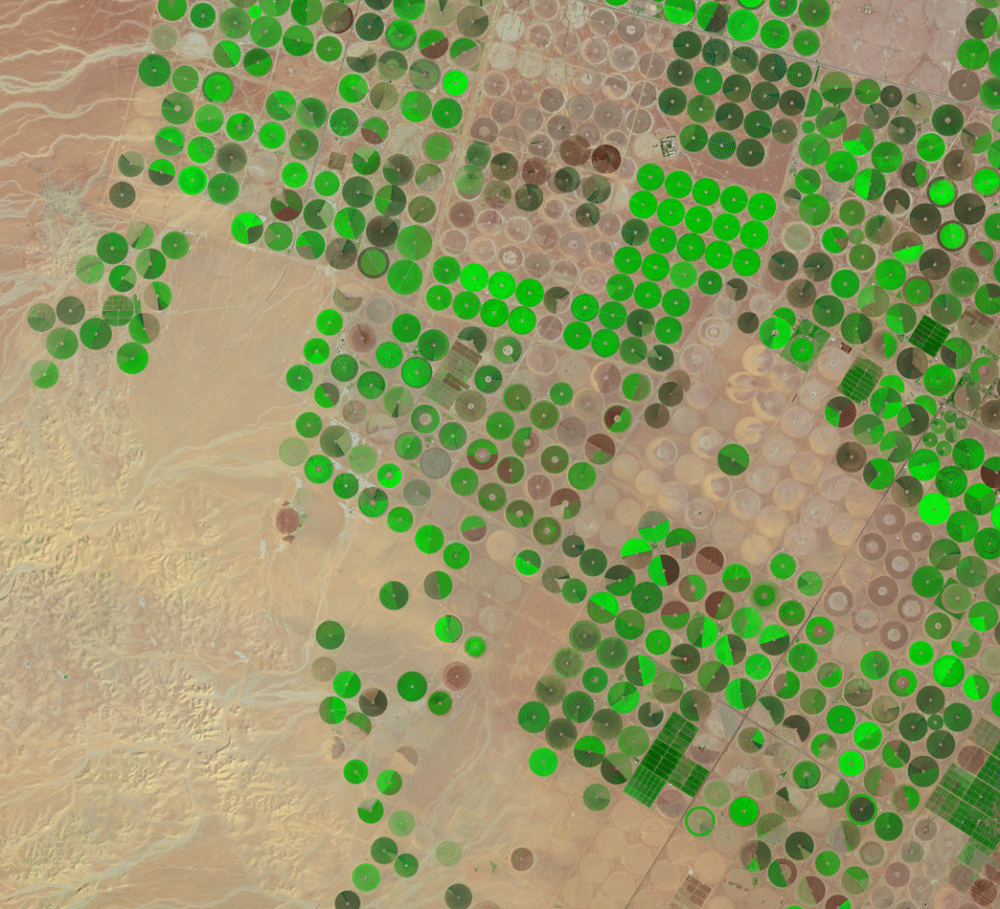
In Morocco, the private and unregulated use of shallow aquifers has put heavy pressure on these renewable resources, while scarce rainfall and intensive land use have led to salinization of shallow waters.
Exploiting fossil waters is costly and cannot be allowed to suffer the fate of shallow aquifers. Given the expense, the state is the only actor with the financial and legal mandate to regulate use, set preservation methods and identify drilling sites. Recognizing all resources is vital to better plan and decide the future.
See also:
Eaux souterraines, rivières, barrages : une étude révèle l’ampleur de la pollution hydrique au Maroc
Contrats de nappes : 4 signés, 15 finalisés et 14 en cours d’élaboration (Nizar Baraka)
L'ombre des sept ans de sécheresse plane sur le lancement de la campagne agricole

à lire aussi

Article : La politique de l’eau, un enjeu de souveraineté nationale selon Nizar Baraka
Lors du MAP Town Hall organisé à Rabat, le ministre de l’Équipement et de l’Eau a détaillé cinq priorités : dessalement, interconnexions entre bassins, équité territoriale, préservation des ressources et valorisation de l’expertise marocaine à l’international.

Article : Tourisme : pourquoi l’objectif des 26 millions de visiteurs pourrait être atteint avec deux ans d’avance
Le tourisme marocain est en avance sur son propre calendrier. Alors que l’objectif officiel reste fixé à 26 millions de visiteurs en 2030, les performances récentes poussent déjà le secteur à préparer l’étape suivante : une nouvelle feuille de route pouvant viser 30 millions d’arrivées et près de 200 milliards de dirhams de recettes.
Article : Formation continue : le CESE pointe un système trop complexe et trop concentré à Casablanca
En 2022, seuls 1.647 employeurs sur près de 315.000 cotisants ont bénéficié des contrats spéciaux de formation, selon le Conseil, qui recommande un fonds dédié, la digitalisation des démarches et un meilleur accès pour les TPME et les indépendants.
Article : Bourse de Casablanca : le MASI termine en légère baisse le 3 juin 2026
L’indice principal s’est établi à 18.563,40 points, dans un volume d’échanges de 237,9 MDH sur le marché central, avec Managem, TGCC et Alliances parmi les valeurs les plus actives.
Article : La pyrite, vieux résidu minier devenu enjeu stratégique pour OCP
C’est l’histoire d’un minerai longtemps négligé qui revient au centre du jeu industriel. Alors que les prix du soufre atteignent des niveaux historiques, OCP prépare dès 2027 la récupération locale de pyrite et de pyrrhotite, avec Managem et d’autres acteurs miniers en toile de fond. Explications.

Article : Après 17 ans, Lamia El Ghorfi quitte La Mamounia pour se consacrer à un projet familial
Après dix-sept années passées à La Mamounia, Lamia El Ghorfi a annoncé son départ de la Direction de la communication et des projets culturels. Elle indique vouloir se consacrer à un projet familial, tandis que son successeur sera dévoilé dans les prochains jours.