
Dams: despite recent rains, reserves remain low
Despite its intensity, the recent rain had only a limited impact on the dams, bringing them to just 31.06% capacity. Yet, these rains succeeded in halting, for the first time this season, the gradual decline in reserves.
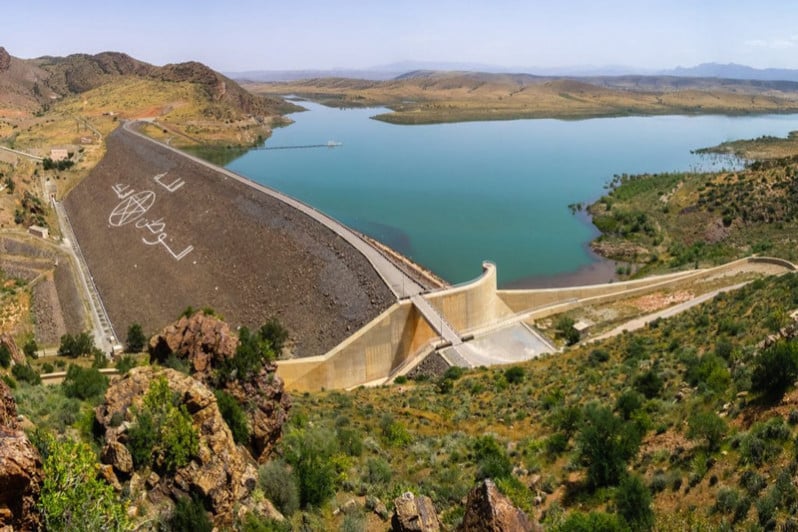
Recent widespread rainfall in Morocco has raised hopes of an improvement in dam reserves, potentially reviving an agricultural season that has struggled to take off for the eighth year in a row.
Following the rains, total water reserves in Moroccan dams stabilized at 5.2 billion cubic meters, or 31.06% of capacity. That marks a 1.76% rise from a year earlier.
Since November 10, the rains have brought about 27 million cubic meters, which represents only a 0.26% increase in the total stock.
After the latest rains, several Moroccan cities saw record 24-hour totals (on Thursday, November 13): 25 mm in Tanger, 32 mm in Benslimane, 31 mm in Rabat. Yet this surge has not translated into a meaningful boost for dam reserves.
Cumulative rainfall between September 29 and November 19 has been heavier along the coasts than inland. Casablanca has already received more than 50 mm, while Marrakech has logged 6.3 mm. Several mountain regions have also seen their first snowfalls.
Evolution of water reserves by hydrological basin
Since November 10, 2025, dam reserves by basin show that the Tensift and Souss-Massa have driven most of the gains in water stocks.
In less than 20 days, filling rates rose from 36.6% to 43.6% in Tensift and from 16.1% to 19.33% in Souss‑Massa.
The Sebou basin posted the biggest decline, with reserves down about 5 million cubic meters between November 10 and 17. Yet given its vast capacity, the drop is marginal, only 0.1% of the filling rate.
To gauge the impact of recent rainfall, we compared changes in the main dams with last year and with October levels.
Evolution of dam reserves
Although the impact has yet to fully materialize, the rains ended a steady decline in dam stocks seen since August.
Sidi Mohammed Ben Abdellah Dam (near Rabat)
With a capacity of 974 million cubic meters, the Sidi Mohammed Ben Abdellah Dam, now connected to the Sebou basin, has risen from 35% to 63%. Over the past ten days, however, reserves dropped by 28 million cubic meters. The dam supplies Rabat, Casablanca, and nearby regions.
Sidi Mohammed Ben Abdellah Dam – Evolution from Oct. 3 to Nov. 19, 2025
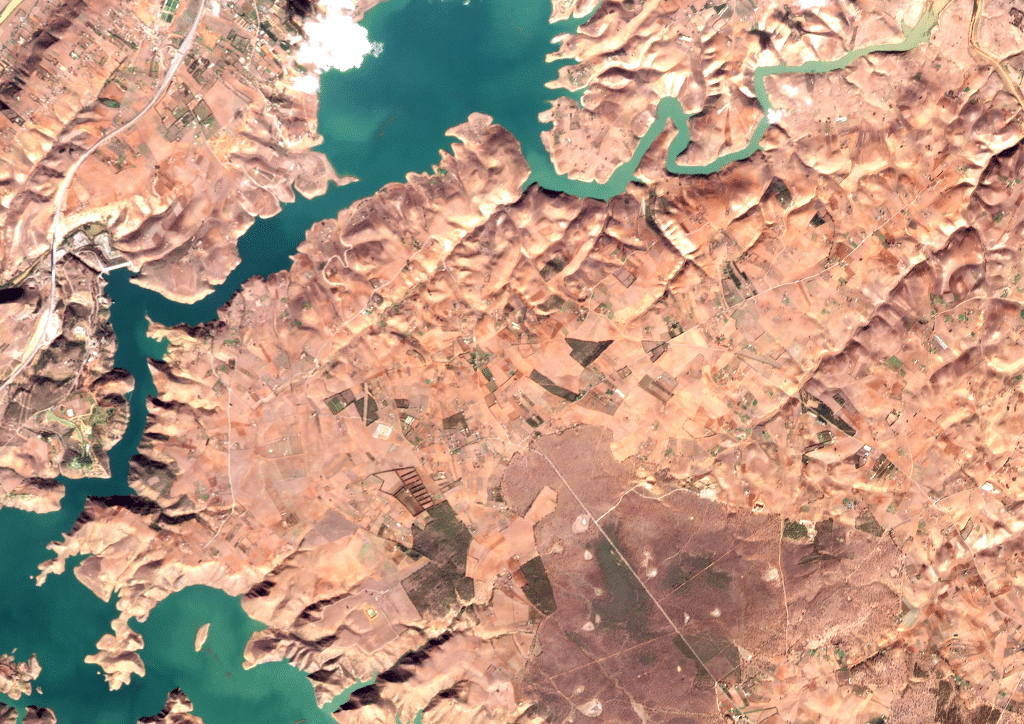
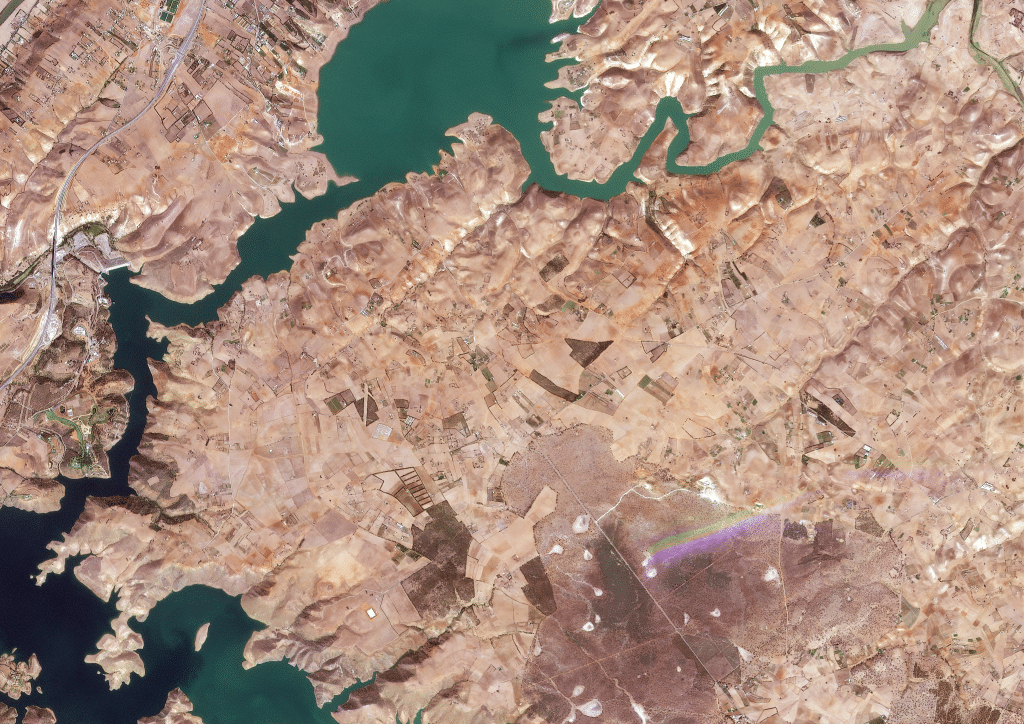
Sidi Mohammed Ben Abdellah Dam – Evolution from Nov. 18, 2024 to Nov. 19, 2025

Al Wahda Dam
Al Wahda, Morocco’s largest reservoir, saw resources fall 3% year‑on‑year. In the past ten days, the dam lost 8 million cubic meters.
Al Wahda Dam – Evolution from Nov. 18, 2024 to Nov. 19, 2025


Al Wahda Dam – Evolution from Oct. 4 to Nov. 19, 2025

Idriss I Dam
Near Fes, the Idriss I Dam, with a capacity of 1.13 billion cubic meters, rose from 26% to 33% year‑on‑year. Resources have remained stable over the past ten days.
Idriss I Dam – Evolution from Oct. 2 to Nov. 19, 2025
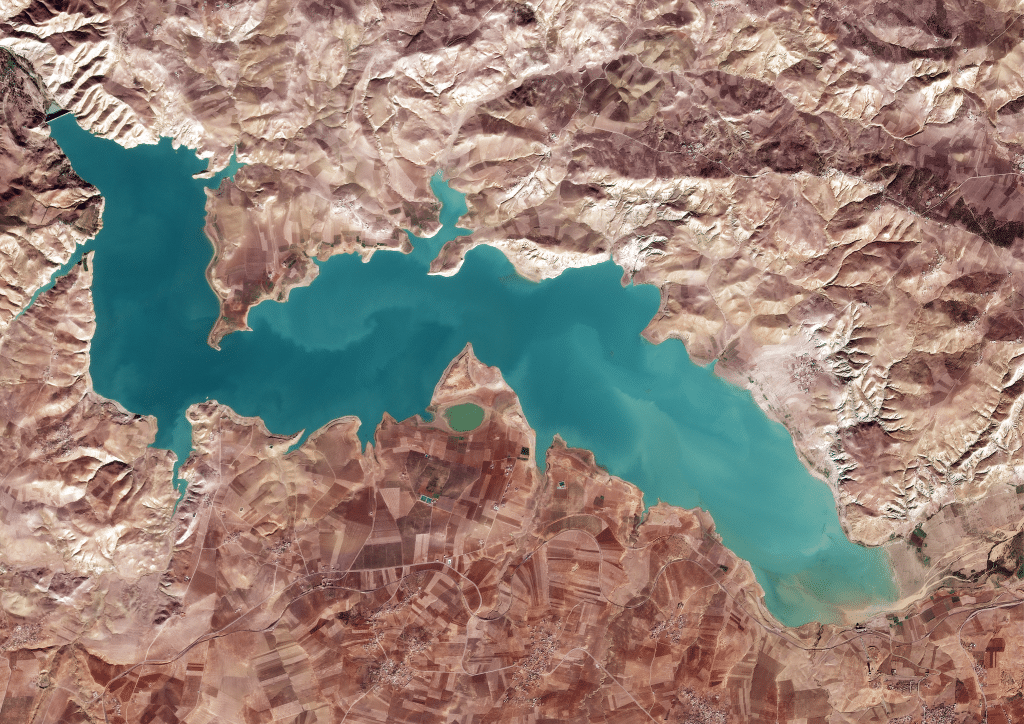

Idriss I Dam – Evolution from Nov. 22, 2024 to Nov. 19, 2025
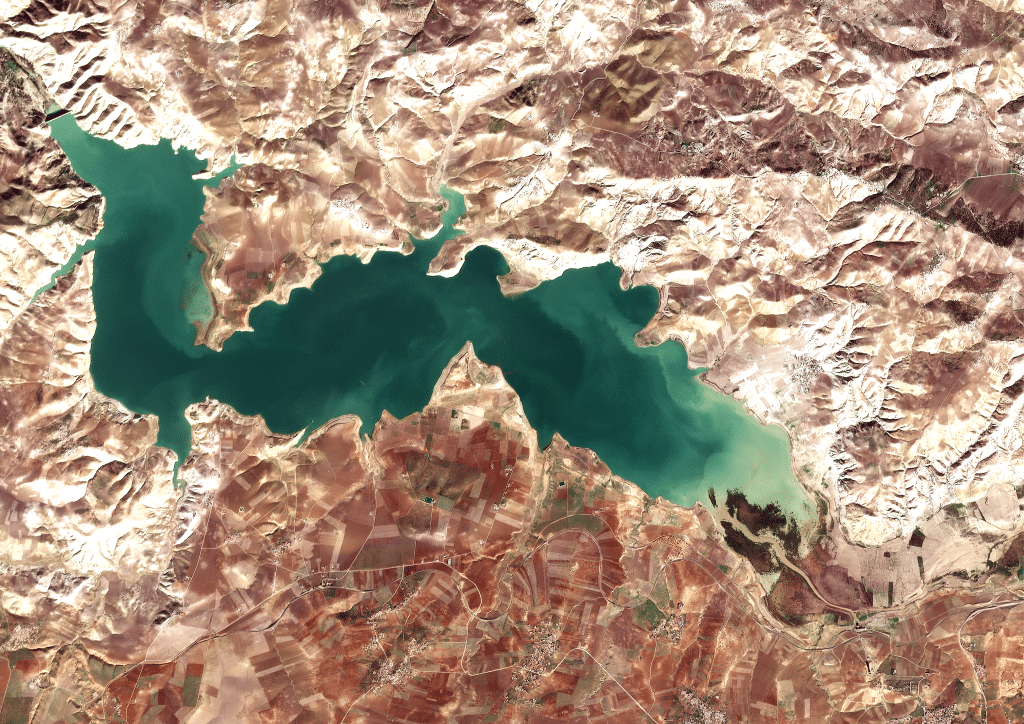
Bin el Ouidane Dam
Located in an agricultural region and a driver of national tourism, the Bin el Ouidane Dam has been hit hard by years of drought.
Compared with last year, reserves have edged up from 5.8% to 14%, though still below usual levels. In the past ten days, the dam shed 300,000 cubic meters.
Bin El Ouidane Dam – Evolution from Oct. 2 to Nov. 15, 2025

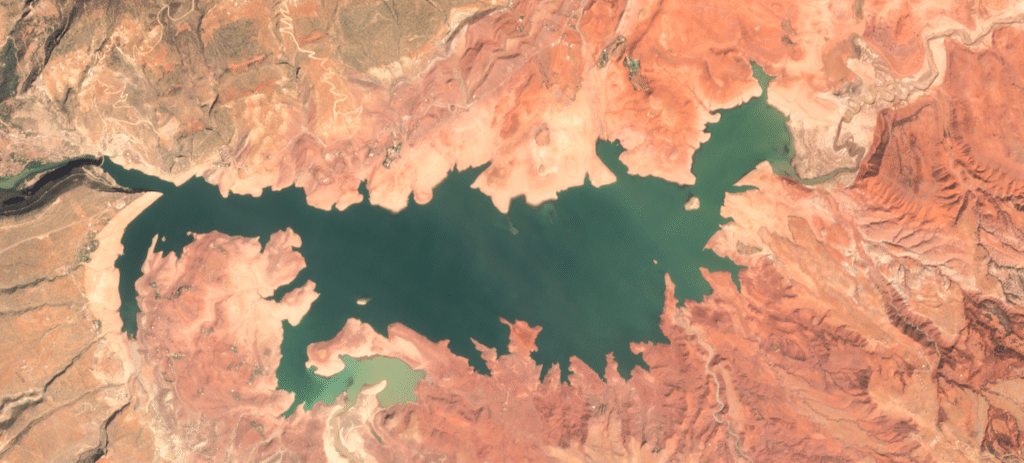
Bin El Ouidane Dam – Evolution from Nov. 18, 2024 to Nov. 15, 2025
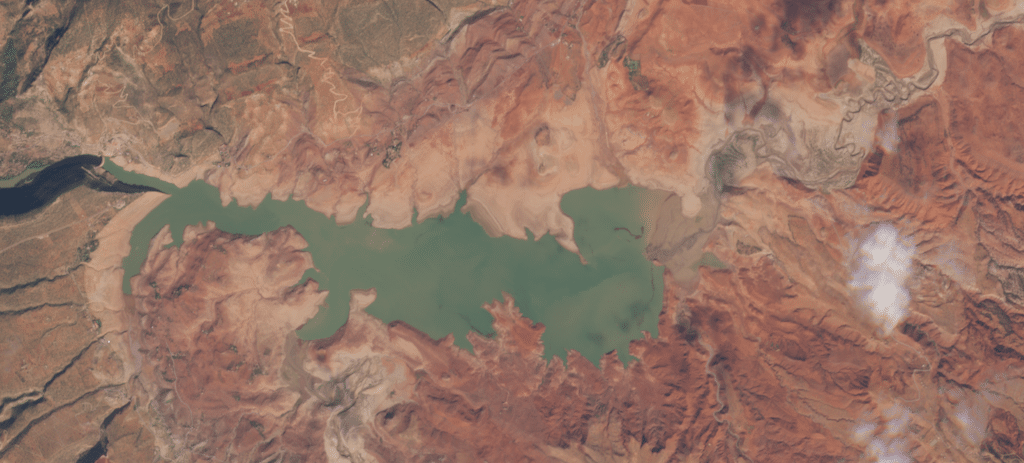
Ahmed El Hansali Dam
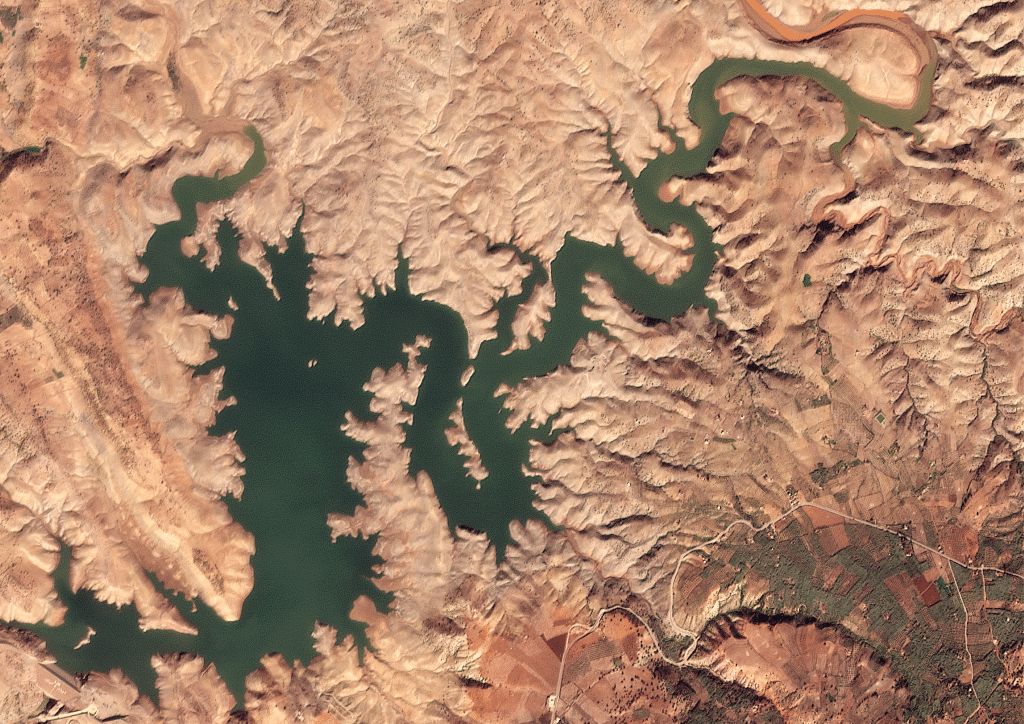
Upstream of Al Massira, the Ahmed El Hansali Dam, with a capacity of 668 million cubic meters, remains in critical condition.
In the past ten days, it lost 1% of its volume, or 7 million cubic meters.
Al Massira’s situation is even more alarming, with reserves still below 2% of capacity.
Ahmed El Hansali Dam – Evolution from Nov. 22, 2024 to Nov. 19, 2025

Ahmed El Hansali Dam – Evolution from Oct. 3 to Nov. 19, 2025
Mohammed V Dam
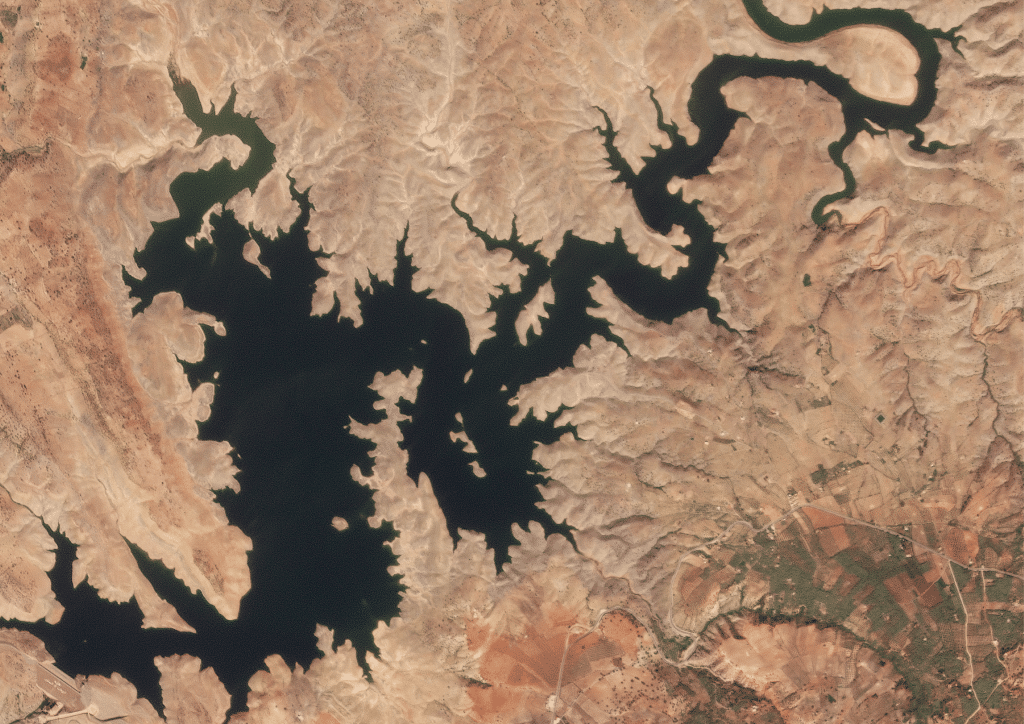
As the region’s largest dam, Mohammed V has seen its reserves plunge from about 60% to 18% year‑on‑year. In the past ten days, it lost roughly 2 million cubic meters.
Mohammed V Dam – Evolution from Oct. 3 to Nov. 19, 2025

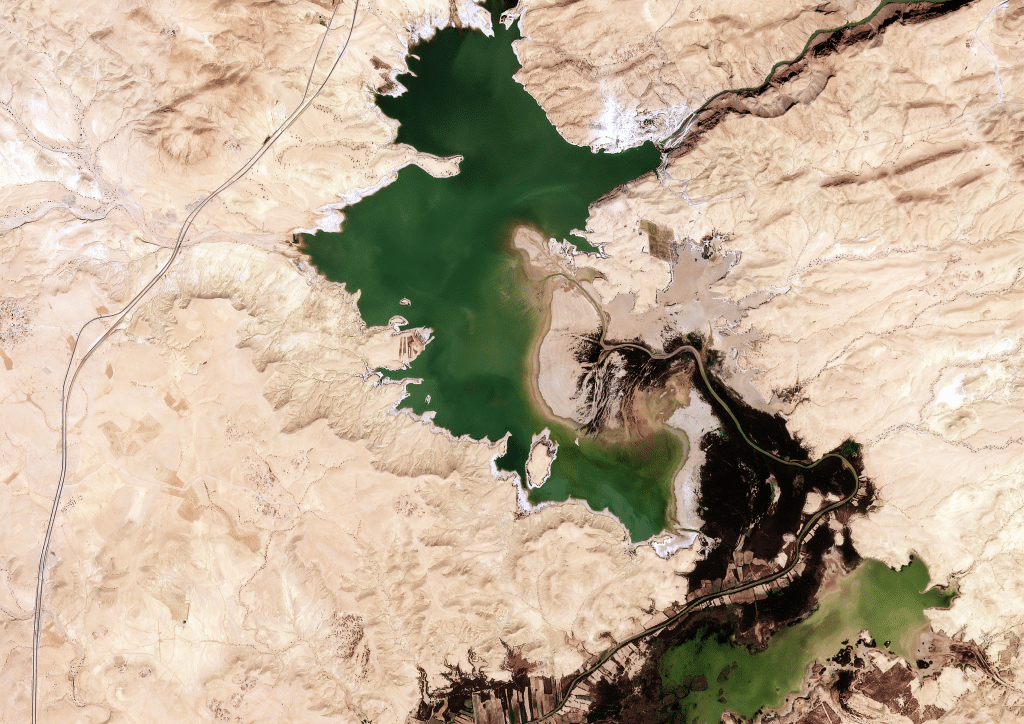
Mohammed V Dam – Evolution from Nov. 20, 2024 to Nov. 19, 2025
Southeast Dams
In the Southeast, dams such as Hassan Addakhil and Kaddoussa have benefited from more favorable weather than other regions. Still, in the past ten days, the two shed about 1 million cubic meters.
Kaddoussa Dam
Kaddoussa Dam – Evolution from Nov. 21, 2024 to Nov. 19, 2025


Hassan Addakhil Dam
Hassan Addakhil Dam – Evolution from Nov. 21, 2024 to Nov. 17, 2025



à lire aussi

Article : Batteries : pourquoi le modèle industriel marocain inquiète-t-il Bruxelles
L’Union européenne durcit sa position face aux investissements chinois. Avec les projets chinois dans l’automobile électrique et les batteries, le Maroc se retrouve au cœur de cette nouvelle tension. Le précédent des jantes en aluminium montre que cette pression peut déjà se traduire par des droits commerciaux lourds. Le Royaume entend défendre ses intérêts. Des discussions politiques sont en cours.

Article : Visa Fintech Day : le Maroc veut accélérer l’inclusion financière grâce à l’IA et aux paiements numériques
Rapprocher les services financiers des citoyens, soutenir les TPME et réduire les fractures d’accès… Le Maroc mise sur l’IA et la fintech pour accélérer sa transformation numérique.

Article : 1.700 passagers et 426 cabines : GNV baptise à Tanger son navire Aurora le plus moderne
Avec le baptême du GNV Aurora à Tanger, la compagnie maritime italienne GNV renforce son dispositif entre le Maroc, l'Espagne et l'Italie. Déployé à l'approche de l'Opération Marhaba 2026, ce ferry de nouvelle génération illustre les ambitions du groupe en matière de mobilité, de confort des passagers et de transition énergétique.
Article : Mines : ce que cachent les annonces de découvertes au Maroc
Le secteur minier marocain est en pleine effervescence. Mais entre l'effet d'annonce et la réserve prouvée, le chemin reste long et incertain. Décryptage d'un secteur où il faut savoir démêler le vrai du spéculatif.

Article : Mondial 2030 : Casa Aménagement lance un marché pour la construction du Centre international de diffusion de Casablanca
Nouveau jalon pour l’International Broadcasting Center qui diffusera le signal nécessaire aux retransmissions radiotélévisées des matchs du Mondial.

Article : Jazzablanca revient avec 50 concerts et une programmation enrichie
Du 2 au 11 juillet, Jazzablanca revient pour une 19e édition placée sous le signe de l’ouverture et de l’expérience festivalière. Avec 50 concerts répartis entre Anfa Park et le parc de la Ligue arabe, le rendez-vous casablancais mise sur une programmation éclectique réunissant grandes stars internationales, artistes émergents et talents marocains.